The Department of Soil Science and Plant nutrition focuses on the study of natural conditions (pedogenetic factors) and soil fertility, that is, the study of its physical, chemical, biological and production properties; land production capability and making of applied soil maps; plant nutrition; proper application of manure and its optimization while reducing the impact on neighbouring ecosystems, the impact of climate change on soil and plants, etc.
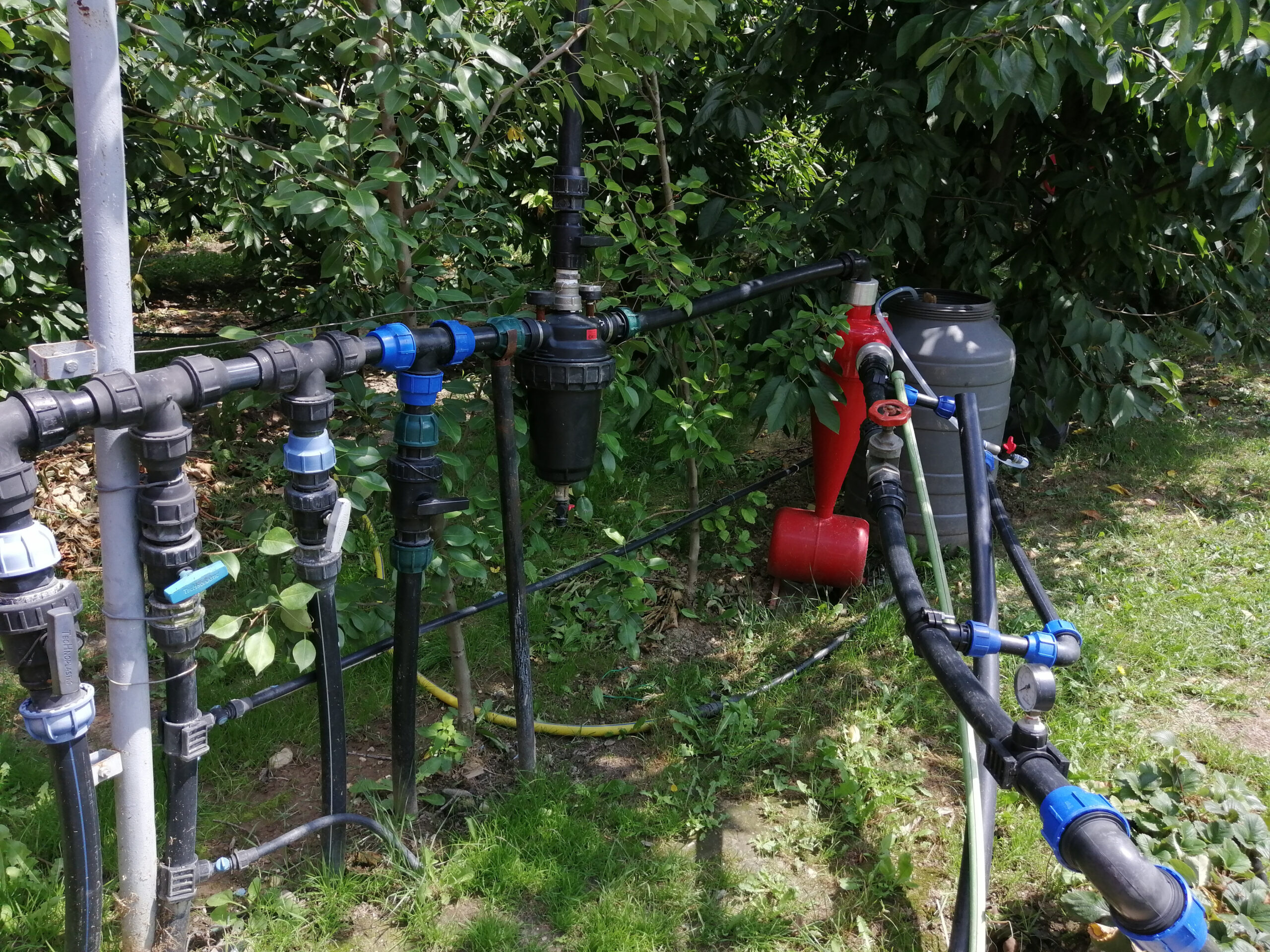
It includes the following priorities: improving soil productivity and protection from degradation, improving plant production through proper plant nutrition in conventional and organic production; sustainable soil management and implementation of climate change adaptation measures as a prerequisite in the fight against global food shortage; quality protection of drinking water and improving human health, etc.
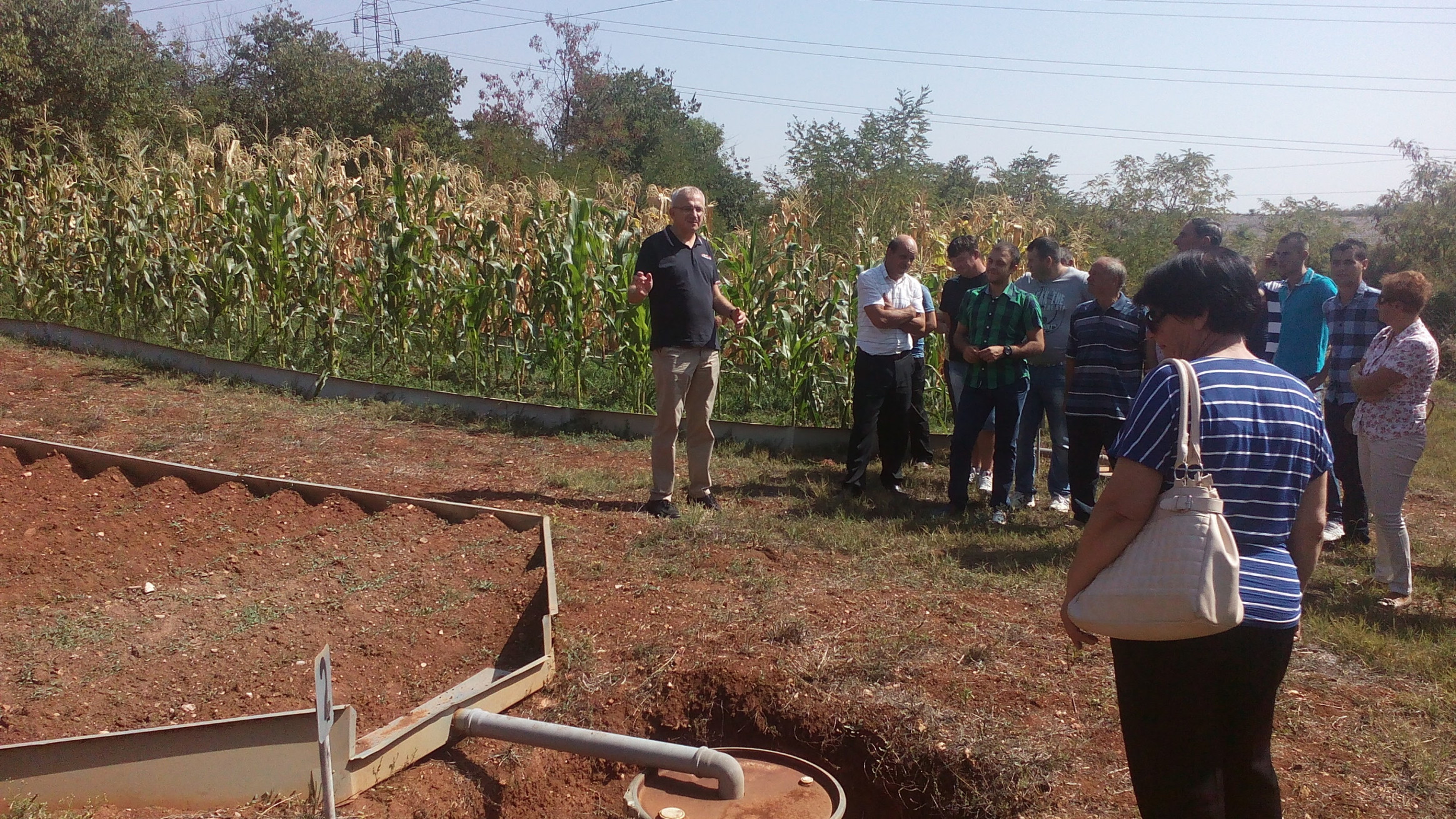
The laboratory participates in domestic and international testing, and since 2018, it has been part of the Global Soil Laboratory Network (GLOSOLAN) at the Food and Agriculture Organization of the United Nations (FAO).
Most vital equipment includes:
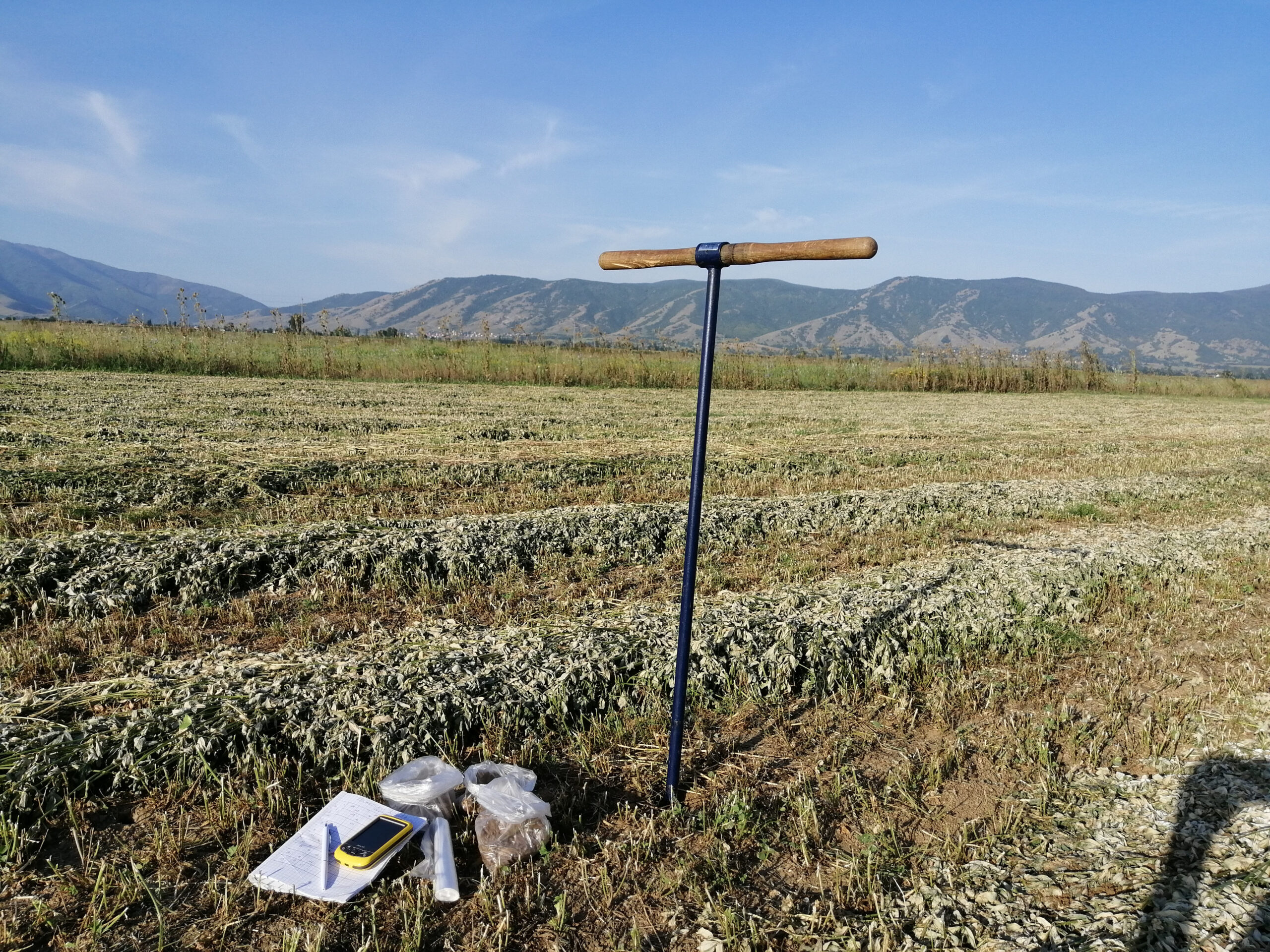
Equipment for soil sample collection, Eijkelkamp Auger Set for Heterogeneous Soils; GPS, Garmi Montana 700.
2023 – 2027 – CA22144 – Sustainable use of salt-affected lands (SUSTAIN). COST.EU cooperation in science & technology;
2023 – 2027 – Cost Action CA22136 – Pan-European Network of Green Deal Agriculture and Forestry Earth Observation Science (PANGEOS). COST.EU cooperation in science & technology;
2023 – 2024 – Research on the socio-economic status of the rural youth in Macedonia. Financed by Ss. Cyril and Methodius University in Skopje, the Institute of Agriculture;
2022 – 2023 – Conducting field and laboratory tests in new foreign rice varieties (Oryza sativa L.) in the conditions of the Kochani valley. Financed by the UKIM Institute of Agriculture – Skopje;
2021 – 2023 – Correlation between macro and micro elements in the soil-plant system. Ministry of Education and Science and UKIM Institute of Agriculture – Skopje;
2021 – Forum for climate change adaptation and start-up opportunities – EIT Food Start Up Awareness Event. UKIM Institute for Agriculture, Skopje, R. of Macedonia and EIT Food, Funded by the EU;
2021–2022 – Copper content in vineyards in the Tikvesh Region, Ss. Cyril and Methodius University in Skopje;
2021–2022 – Creating enabling environments for strengthened resilience of agriculture to climate change. UKIM Institute of Agriculture – Skopje and FAO;
2020–2021 – Antioxidant activity of fruits of autochtonous varieties and populations of fruit, vegetables and grapes. UKIM Institute of Agriculture – Skopje;
2019–2021 – Fourth National Plan and Third Two-Year Report on Climate Change (4thNC/3rd BUR). UNDP and UKIM Institute of Agriculture – Skopje;
2019–2020 – Examination of germination in samples of different types of agricultural crops from a gene bank after a certain period of long-term conservation. UKIM Institute of Agriculture – Skopje;
2016 – 2017 – Characterization of autochtonous varieties of pomegranate in the Republic of North Macedonia, UKIM Institute of Agriculture – Skopje.
2013–2015 – MASIS – Establishment of a Macedonian soil information system. Ministry of Agriculture, Forestry and Water Economy, Republic of North Macedonia and FAO (Food and Agriculture Organization).