Implementation Period: 2026–2028
Project Coordinator: Dr. Hristina Poposka, Full Professor (hristinapoposka@hotmail.com)
Department of Pedology and Agrochemistry
Department for Sustainable Management of Natural Resources and Rural Development
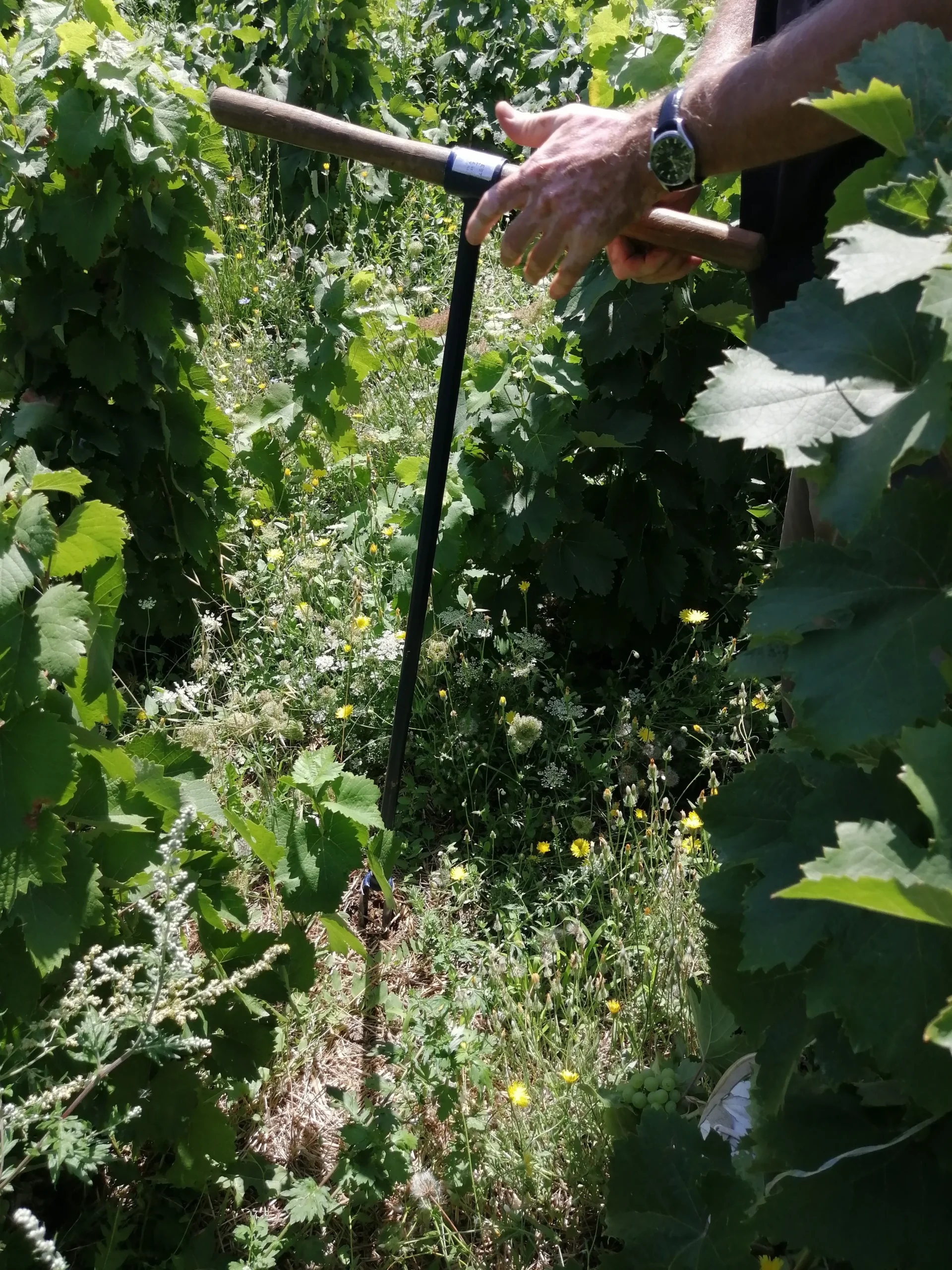
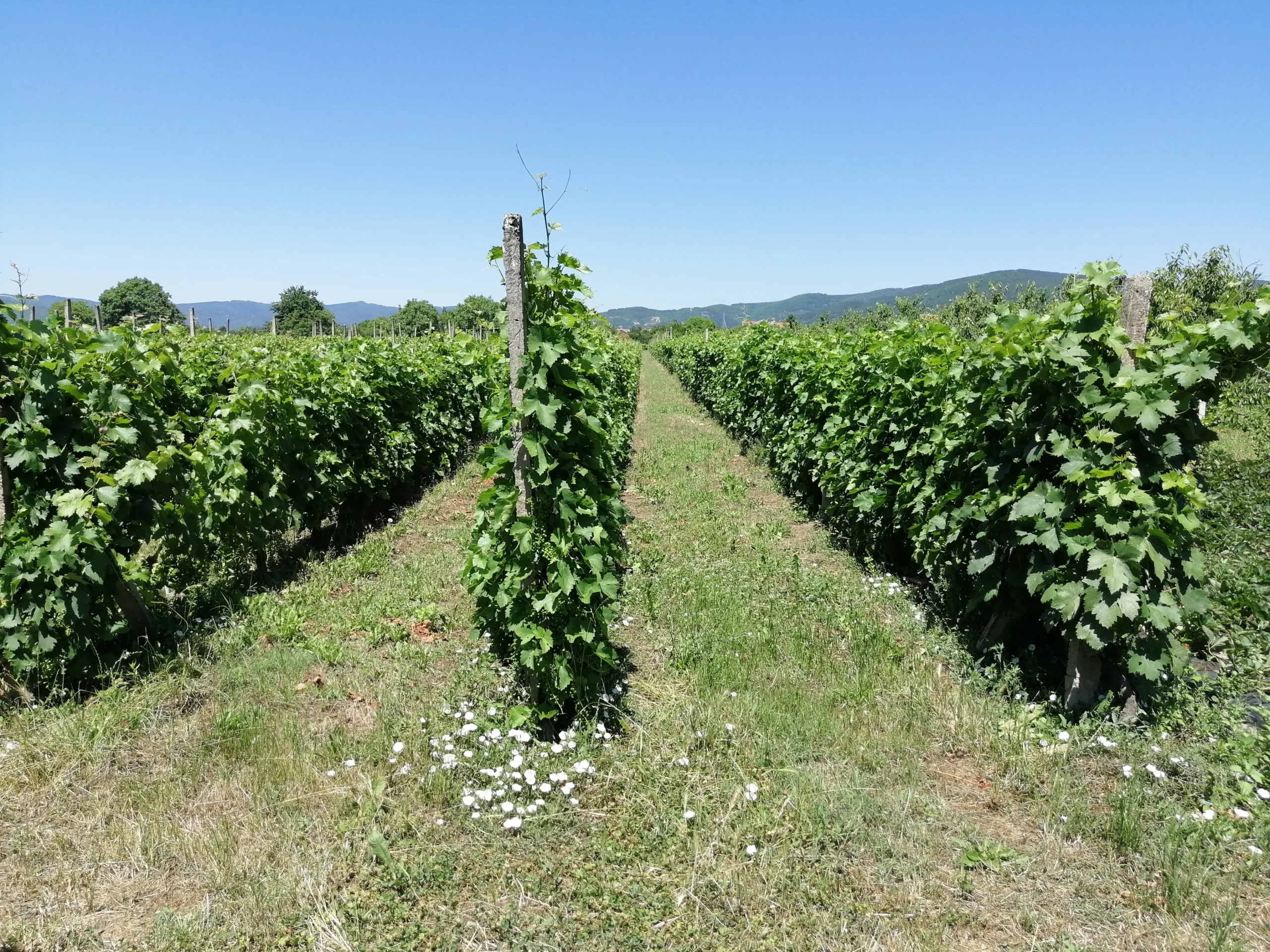
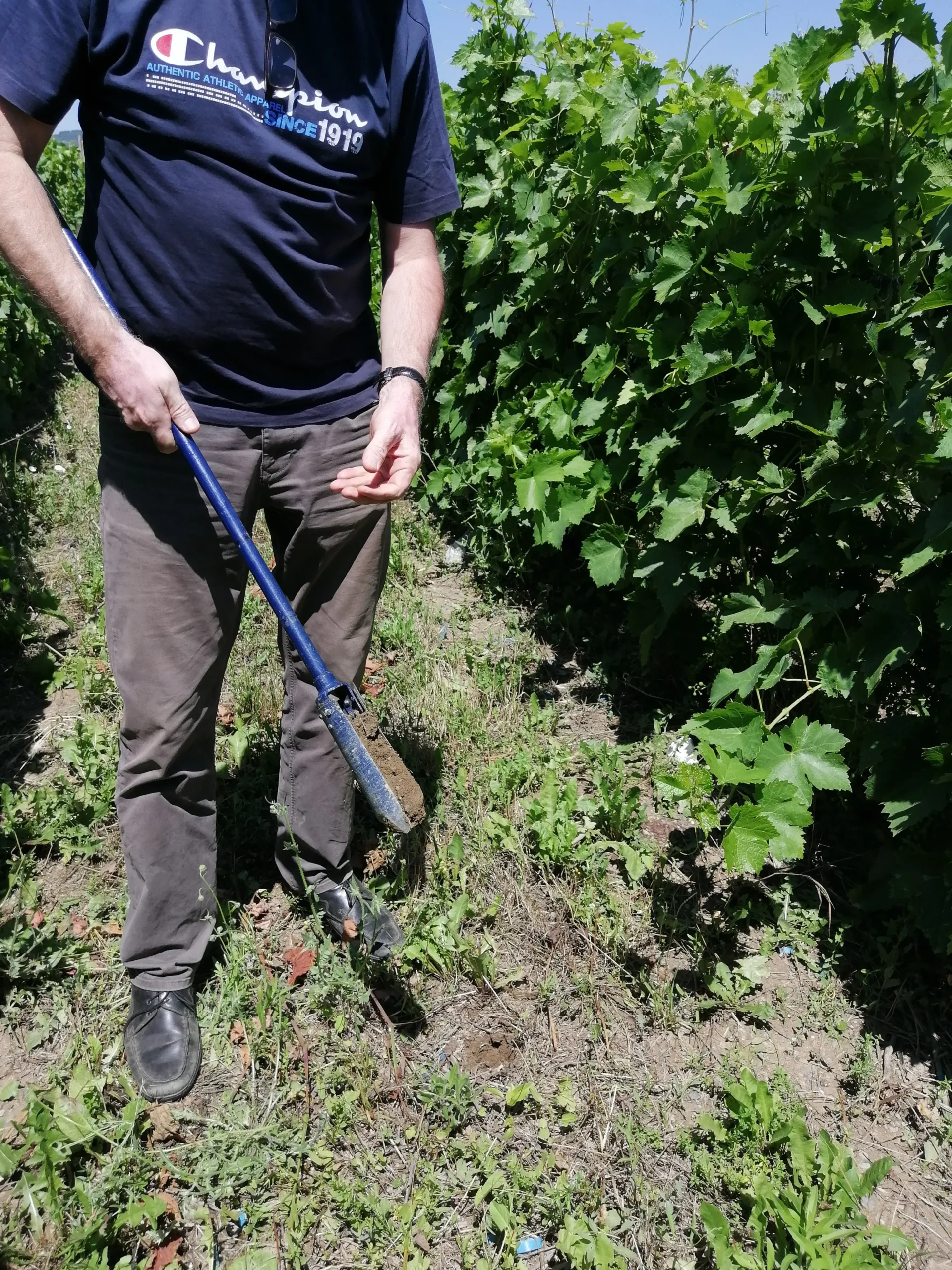
The Ss. Cyril and Methodius University Agricultural Institute – Skopje has been implementing the project "Soil Monitoring – Opportunities for Phosphorus Mobilization and Optimization in Vineyards under Mediterranean Climate Conditions" since 2026. The project is funded through the Institute's internal financial resources.
Phosphorus is the second most important nutrient for proper plant growth and development, immediately after nitrogen. It is an essential macronutrient that plays a crucial role in virtually all biochemical processes within plants, including photosynthesis, respiration, energy storage and transfer, cell division, nitrogen fixation, seed germination, seedling establishment, root system development, stem growth, flowering, and fruit formation.
This essential nutrient exists in soil in various chemical forms and undergoes a complex biogeochemical cycle. Its primary natural source is the gradual weathering of phosphate- bearing rocks containing minerals such as apatite, which releases phosphate ions into the soil. This process is complemented by the decomposition of organic matter, including plant and animal residues, through which phosphorus is recycled back into the soil.
Phosphorus exhibits limited mobility in soils, while its excessive accumulation, resulting from uncontrolled fertilizer application, can significantly affect soil fertility by inducing nutrient antagonism. This phenomenon reduces the availability of several essential micronutrients, particularly iron and zinc, thereby impairing plant nutrition.
The dependence of modern agriculture on non-renewable natural resources, particularly phosphorus (P) fertilizers and fossil fuels, represents a major global challenge. Although renewable alternatives to fossil fuels are increasingly available, no renewable substitutes currently exist for phosphate fertilizers derived from phosphate rock mining. As global phosphate reserves continue to decline, phosphorus fertilizers are expected to become increasingly scarce and costly, with substantial implications for agricultural productivity and global food security. Furthermore, instability in the supply of phosphate rock and the associated price volatility have directly influenced the market value of phosphorus fertilizers and contributed to fluctuations in the global food price index.