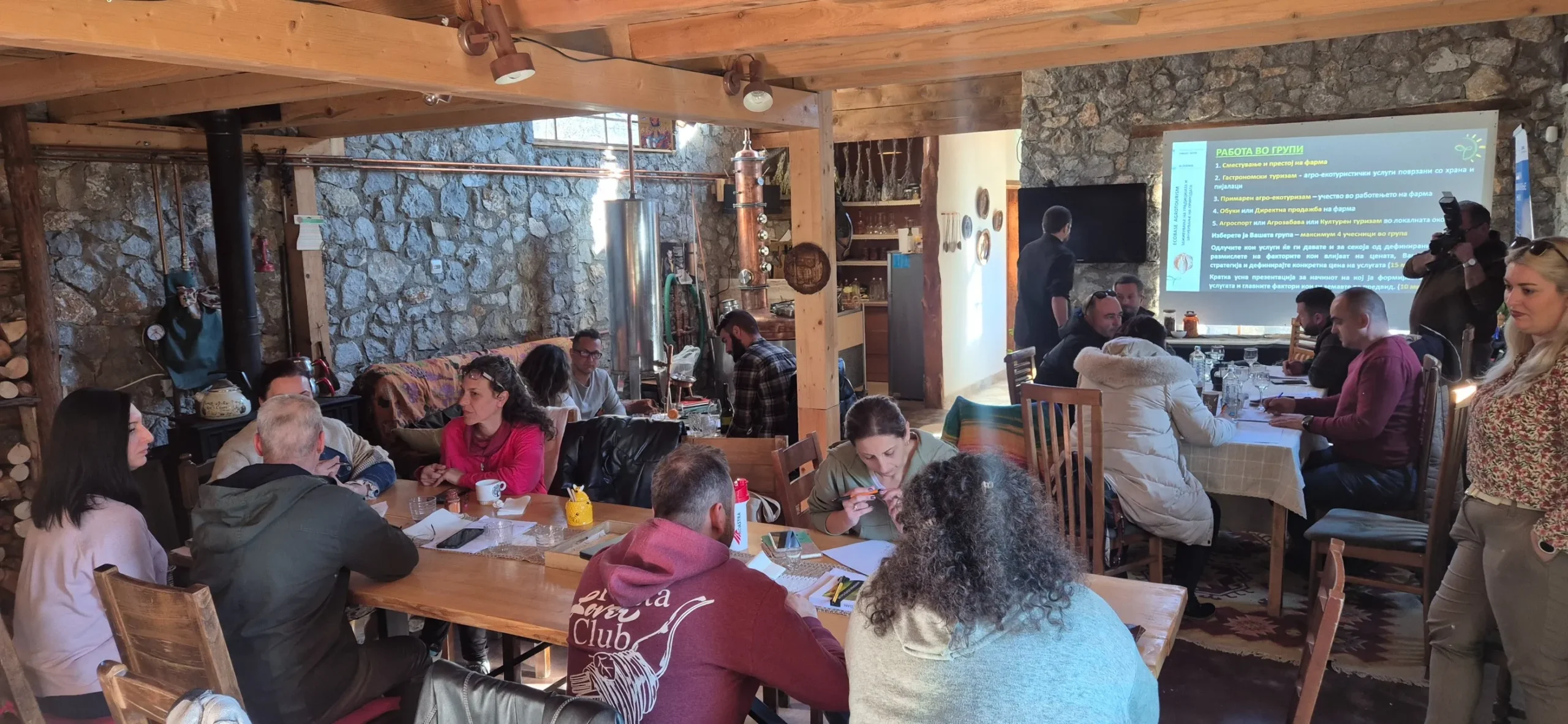
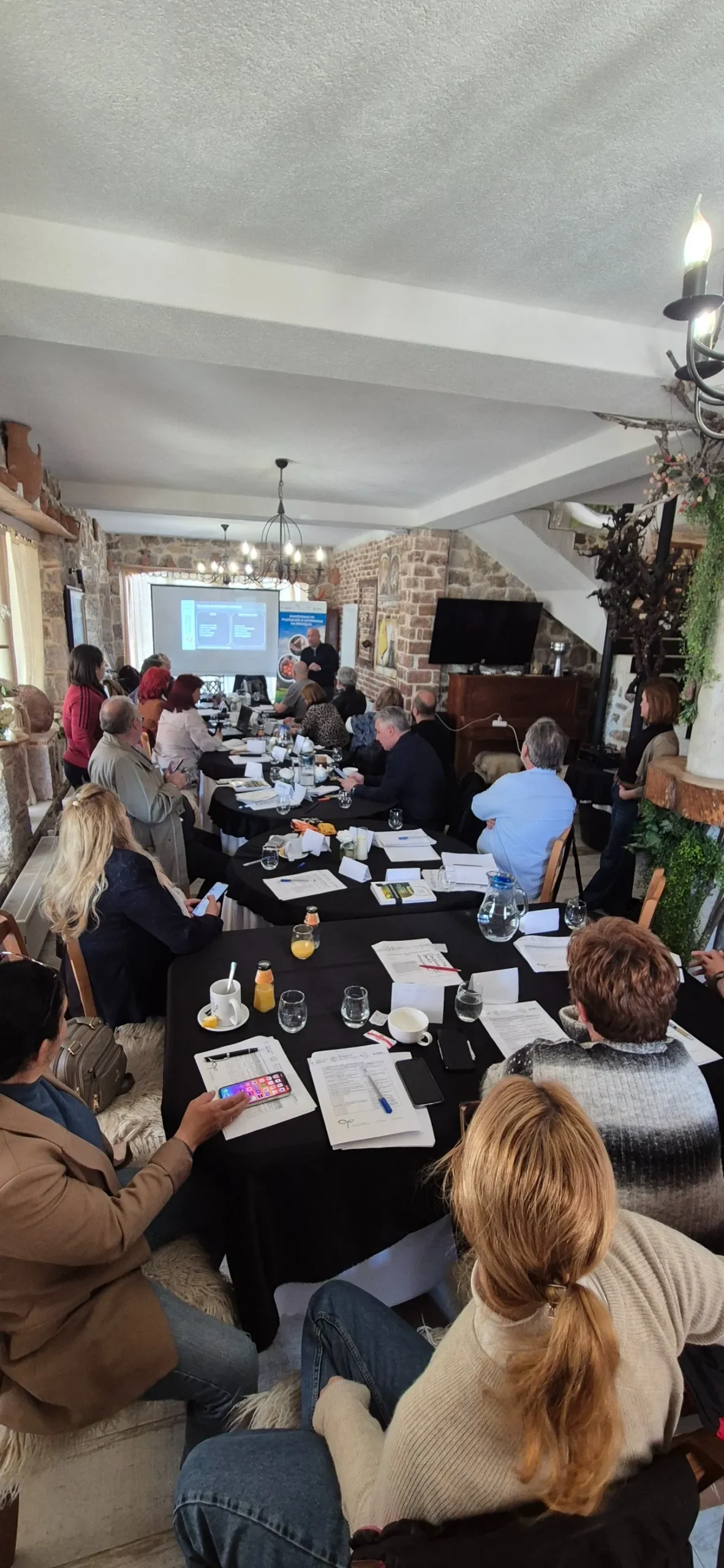
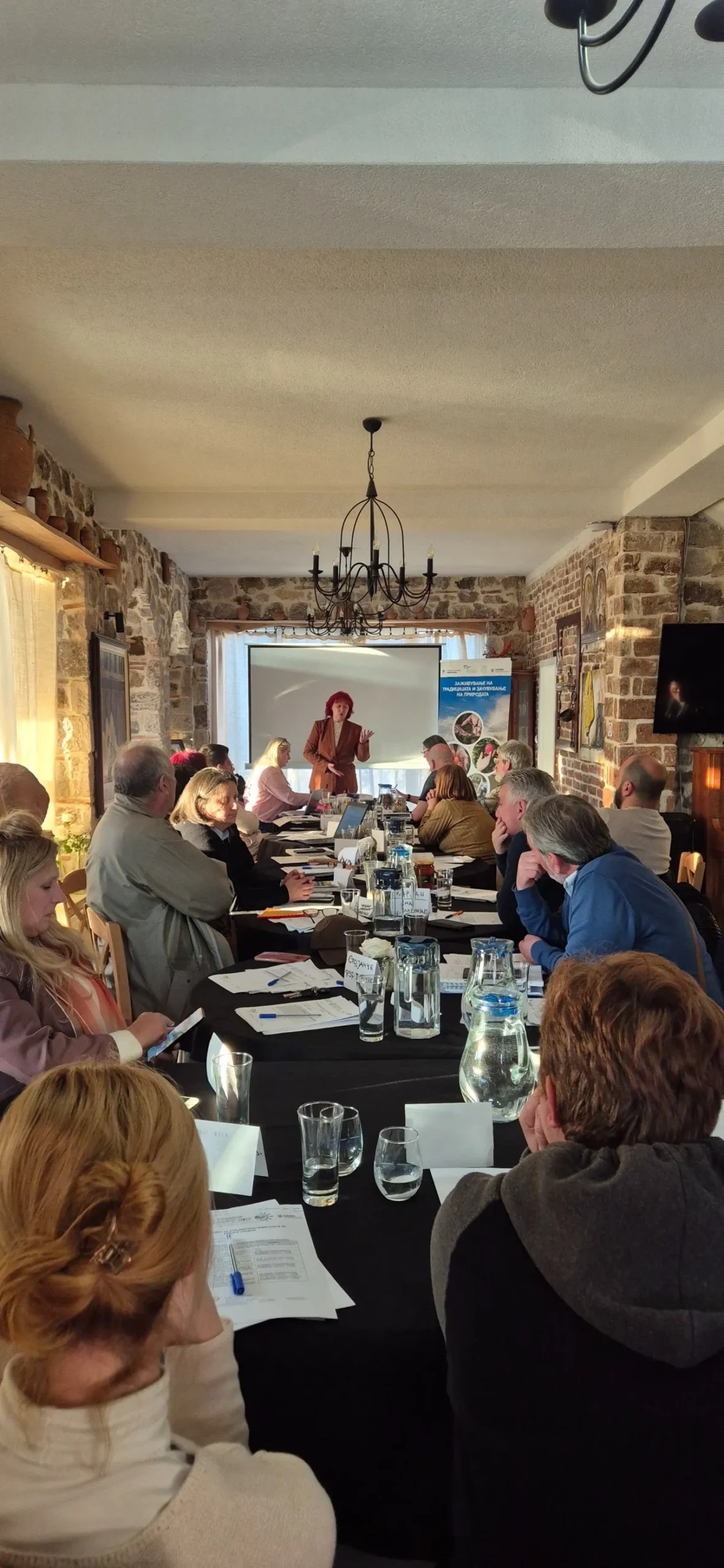
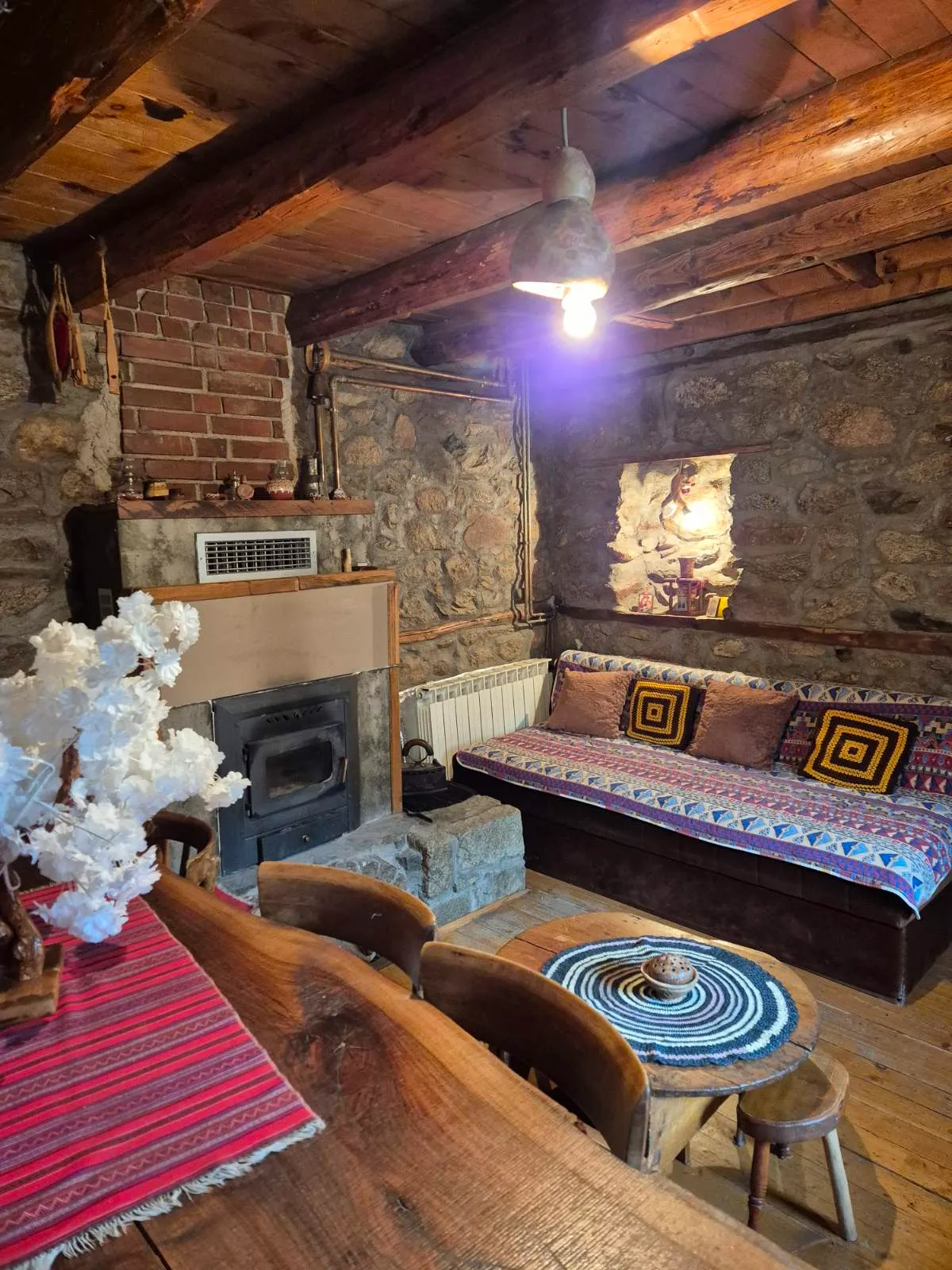
Organized by the Institute of Agriculture – Skopje, and supported by the Embassy of the Republic of Slovenia and the Development Fund of the Ministry of Foreign and European Affairs of Slovenia, two Training Sessions for the Development of Agro-Ecotourism Services in Rural Areas were successfully implemented within the framework of the "Reviving Tradition and Preserving Nature" project. These intensive three-day programs demonstrated that cooperation, education, and live experience-sharing are the key pillars for the economic revival of Macedonian villages. Through this cycle, more than forty rural households learned how to transform the authentic Macedonian way of life into a premium, commercial, and sustainable tourist experience.
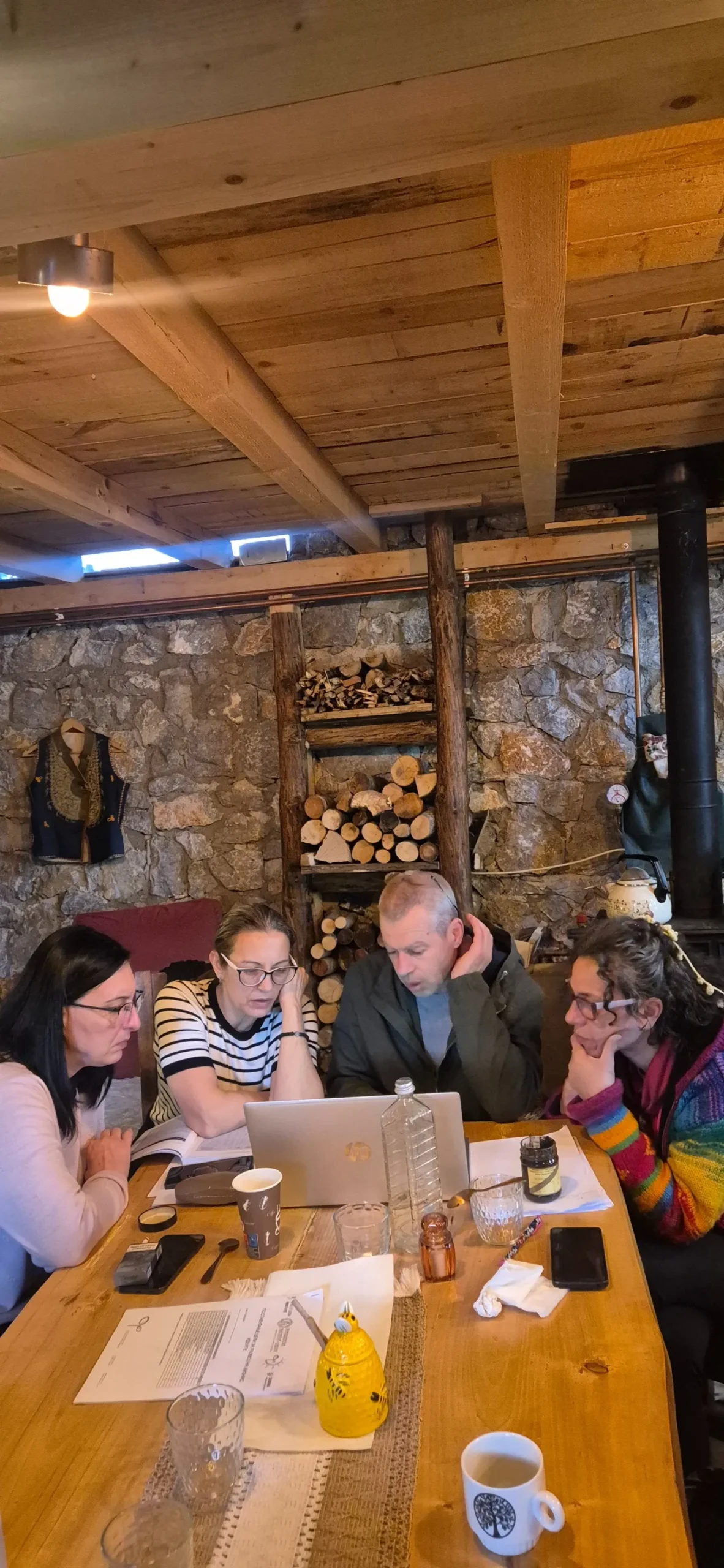
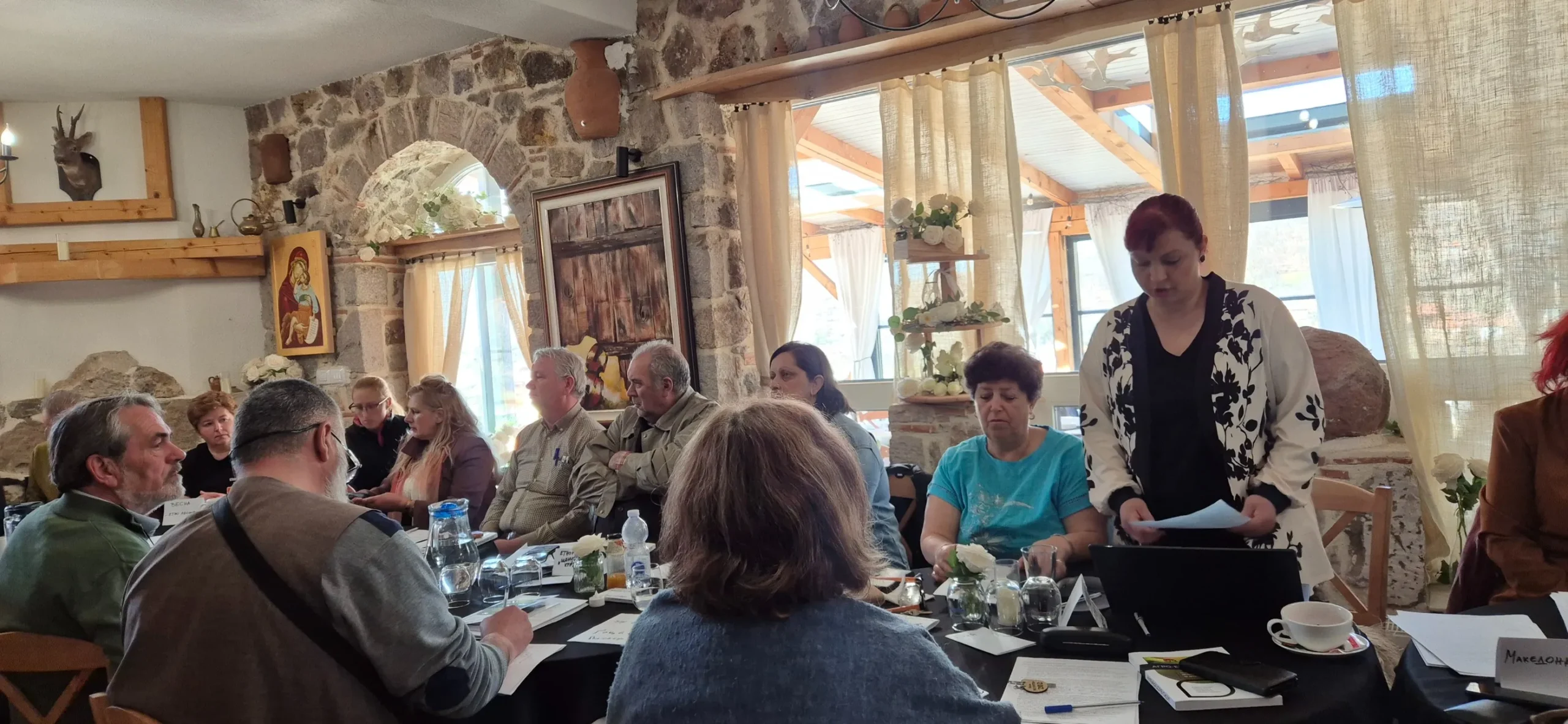
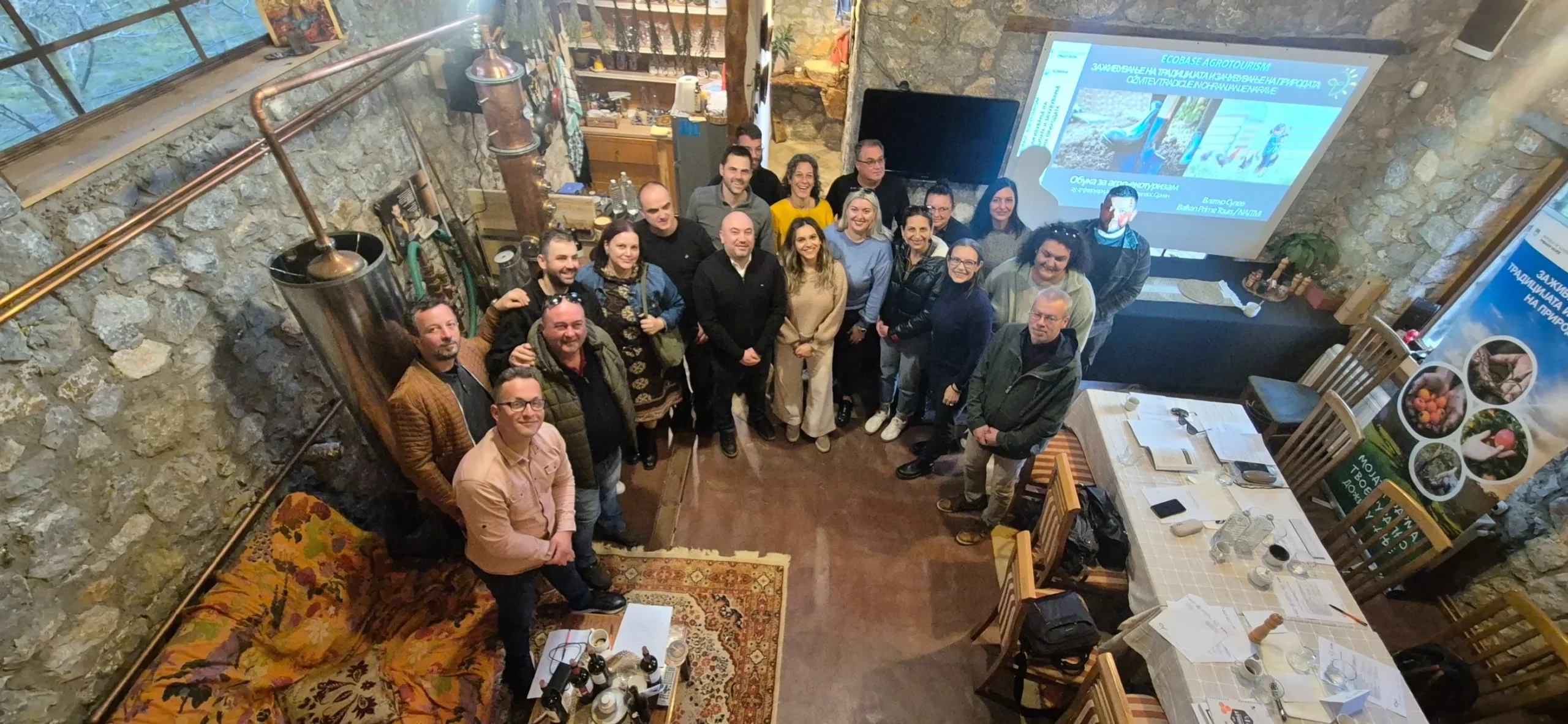
The first training took place from February 25 to 27, 2026, in the authentic setting of Chateau Orman (Orman village, Ohrid), while the second educational cycle was implemented in Lesnovo village, at Villa Molitva, from March 11 to 13, 2026. The program at both locations was precisely structured to address all the challenges faced by a modern rural household looking to diversify its income. The first day was fully dedicated to strategic positioning. Under the mentorship of Vlatko Sulev from the National Association for Inbound Tourism (NAITM), participants worked on the most crucial element: how to find and tell the authentic story of their household. Through practical examples, they learned how to profile and target visitors, as well as the most modern promotion channels to help their offers reach domestic and foreign tourists. The second day focused on resources. The expert team from the Institute of Agriculture – Skopje, led by Dr. Marija Gjosheva-Kovachevikj and M.Sc. Despina Popovska-Stojanov, guided participants through the self-evaluation and capacity mapping process of their farms. To clarify the administrative steps in Ohrid, Kifni Useini (Head of the Tourism Department) and Goran Mickoski (Local Economic Development) from the Municipality of Ohrid were involved, sharing practical legal procedures for registering rural households. Dr. Biljana Drvoshanova and Prof. Dr. Dushko Nedelkovski spoke about how sustainable agricultural practices can become part of the tourism offer. The economic segment was covered by Dr. Lazo Dimitrov, who used practical matrices to train farmers in investment planning, fixed assets, and precise pricing of final services. The third day was reserved for the crown of the theoretical part — the participants themselves presented their newly created agro-ecotourism offers and received detailed feedback and guidance from their mentors before heading out into the field.
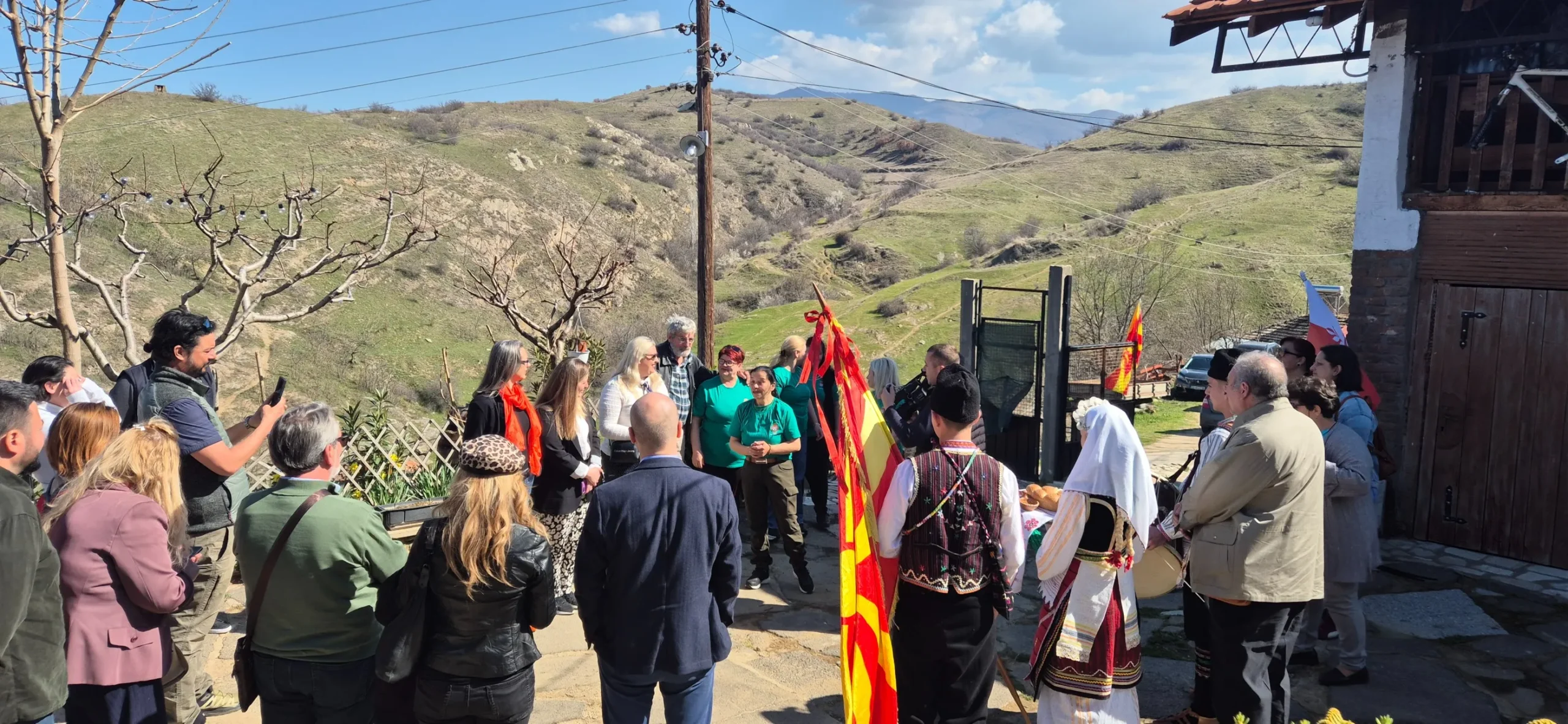
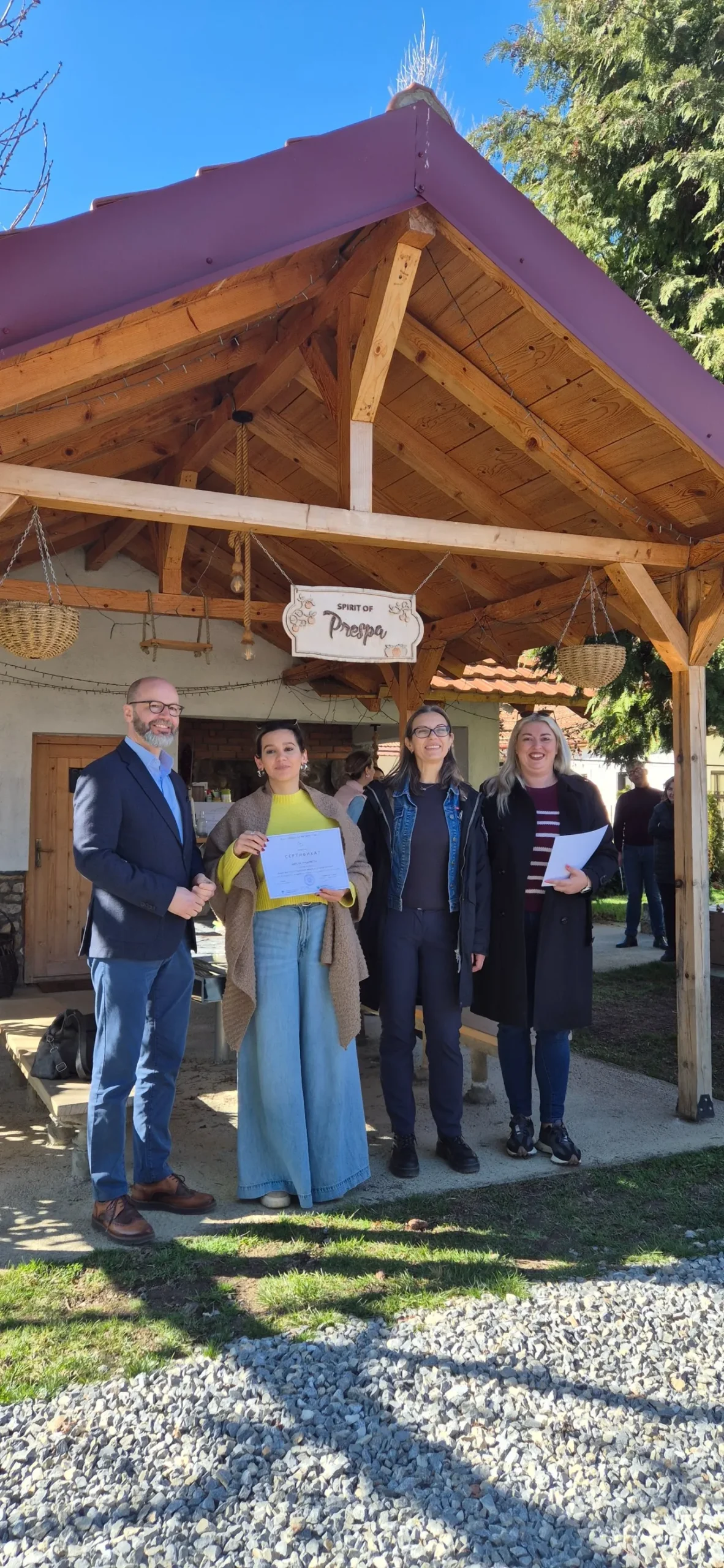
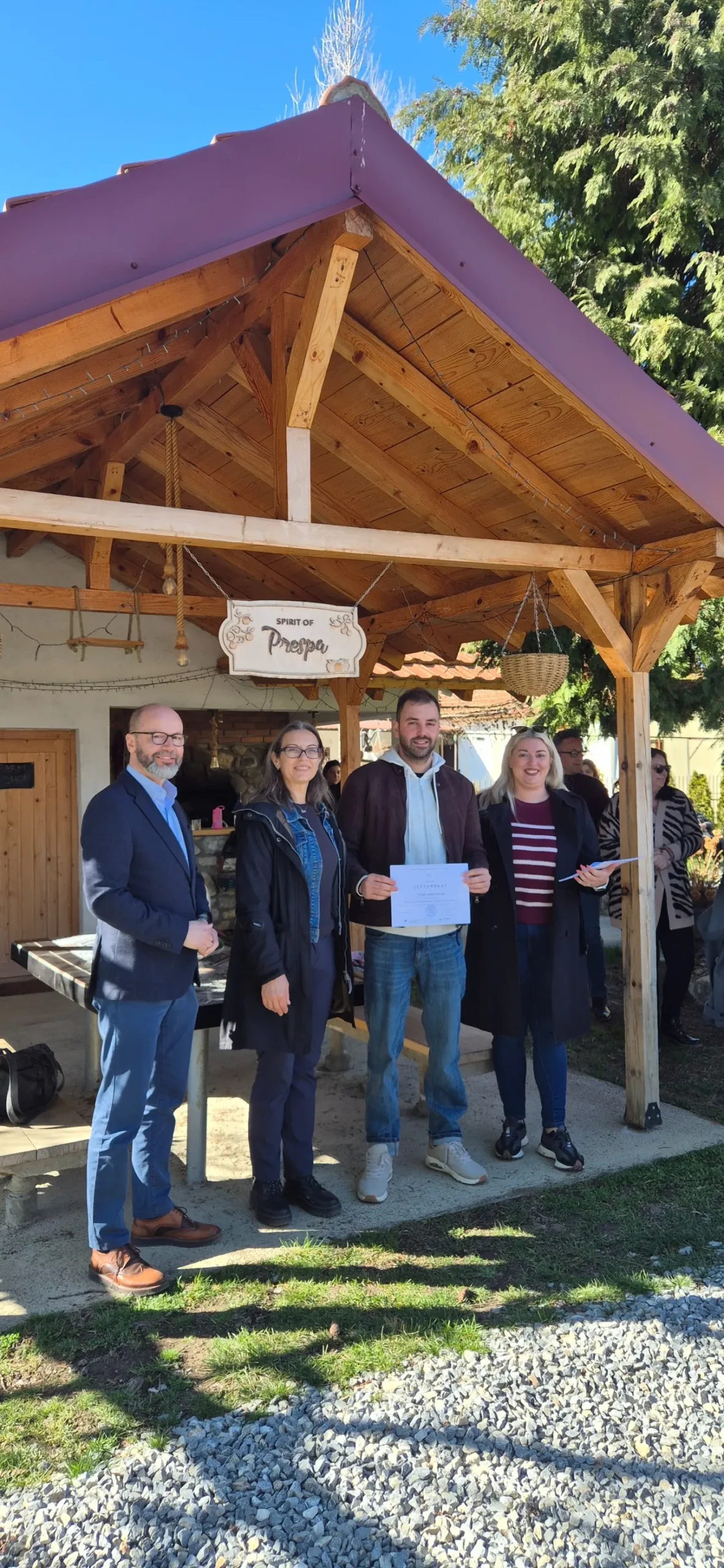
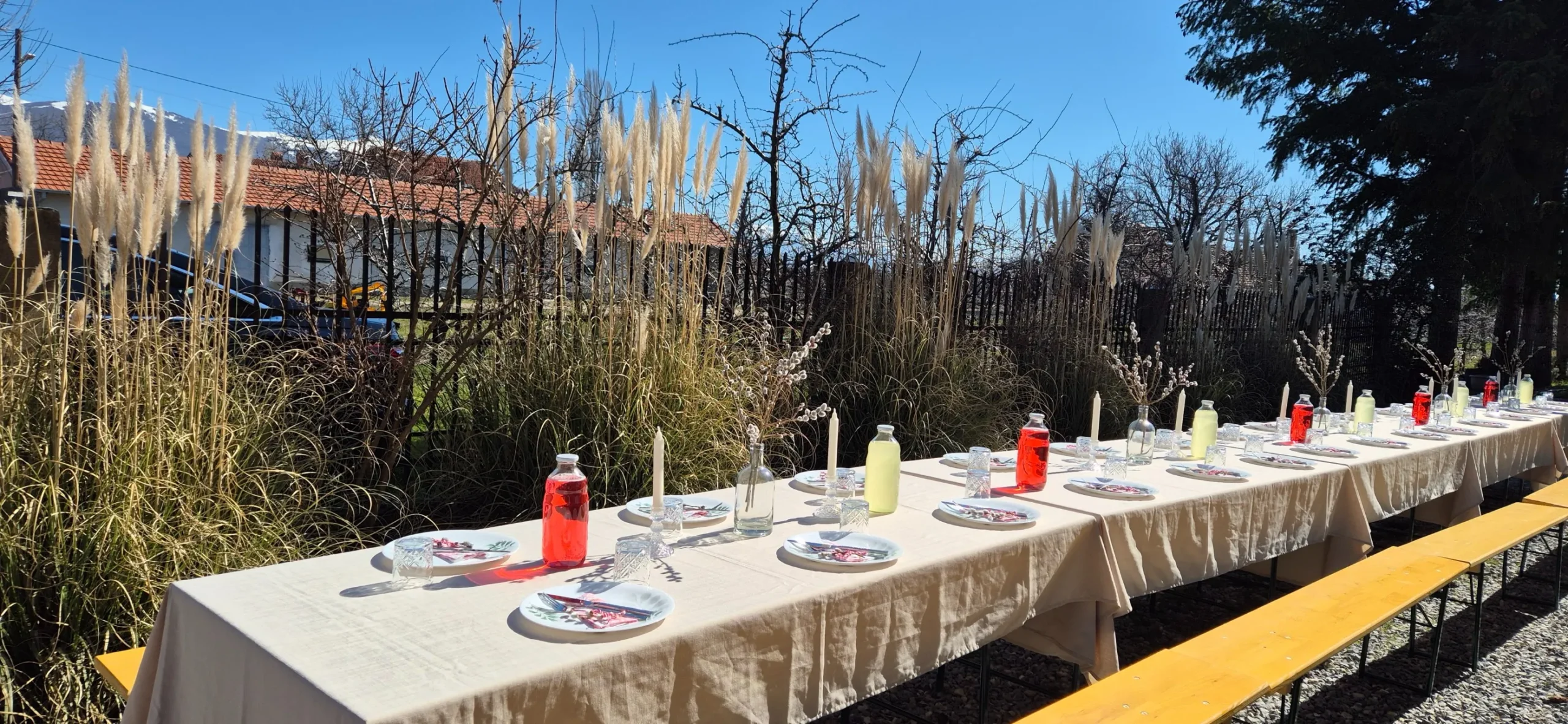
Theory gained true meaning through organized field visits, where participants experienced the power of agro-ecotourism and local community spirit firsthand. One of the most beautiful moments of the first training was the visit to the heart of Prespa, to the stunning location "Spirit of Prespa." This place offered clear proof of how agro-ecotourism can be a driving force for the entire community. Its magic lies precisely in cohesion: traditional dishes were prepared by the skilled hands of women from the local association, the wine came from a neighboring family winery, and everything was complemented by unique homemade juices made from Prespa roses and elderberry. This example showed how joining local capacities creates a premium product.
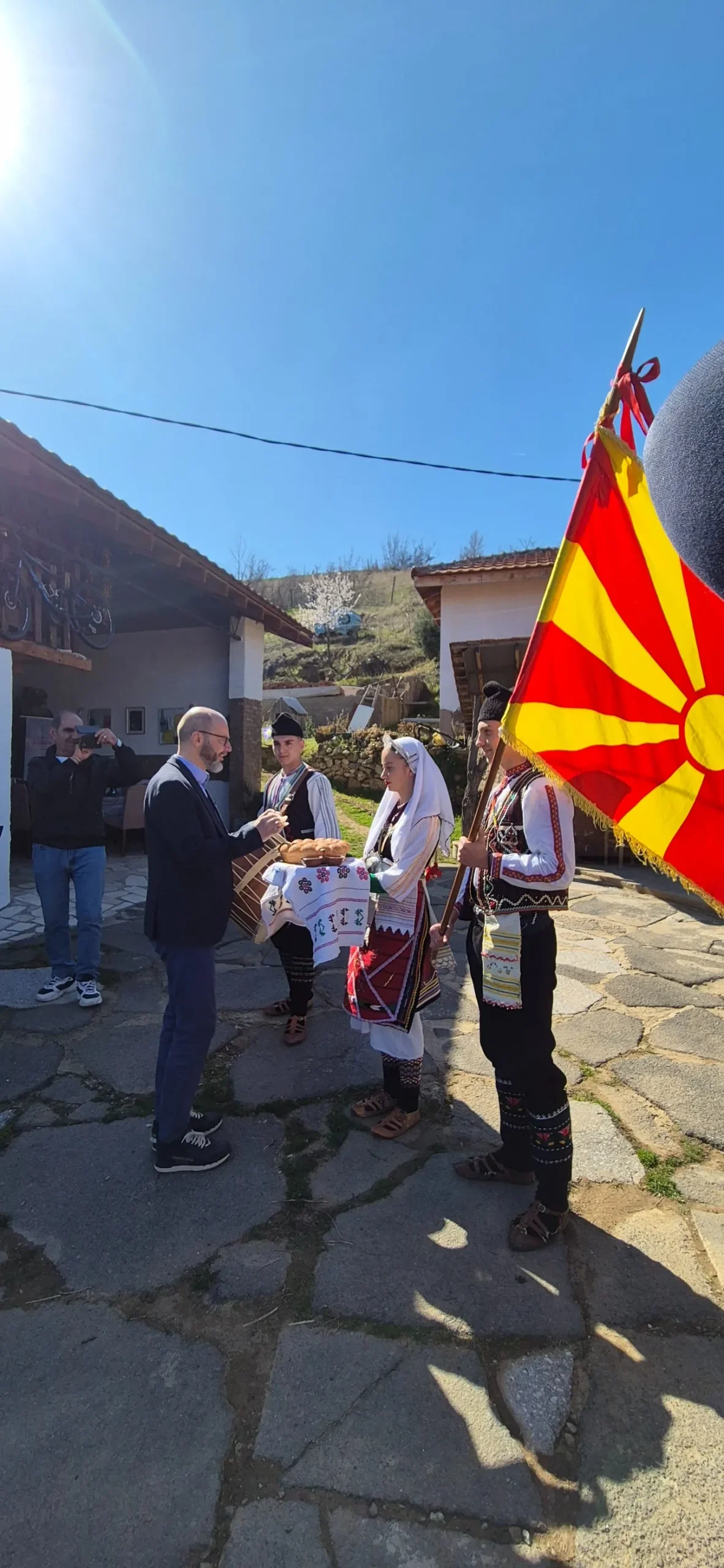
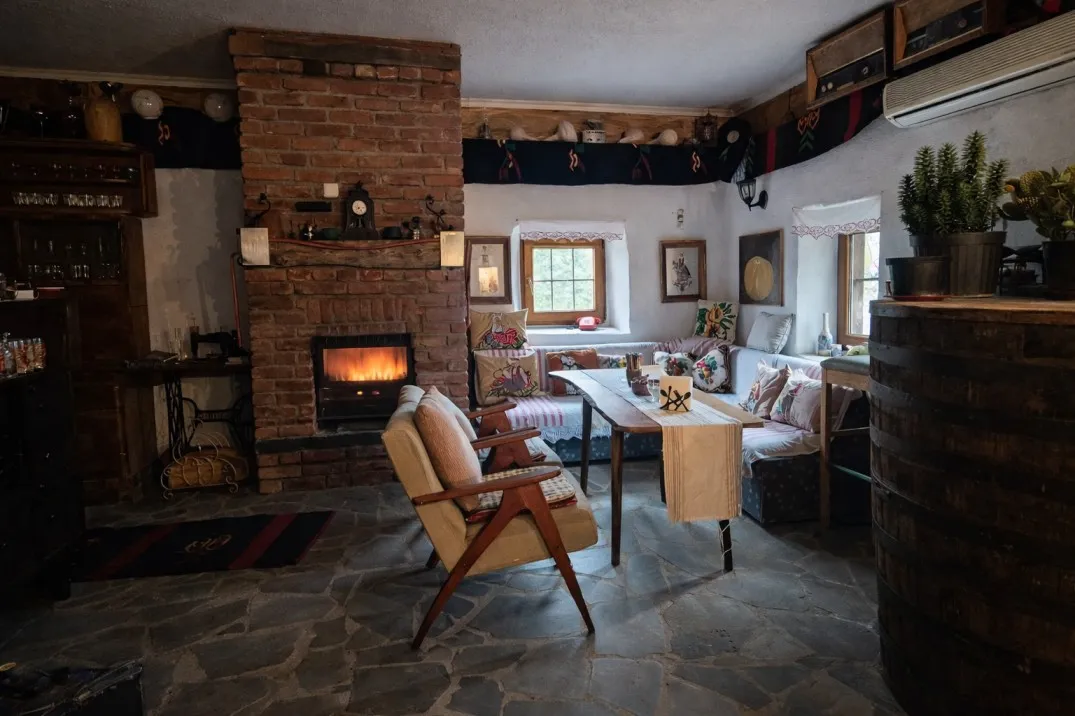
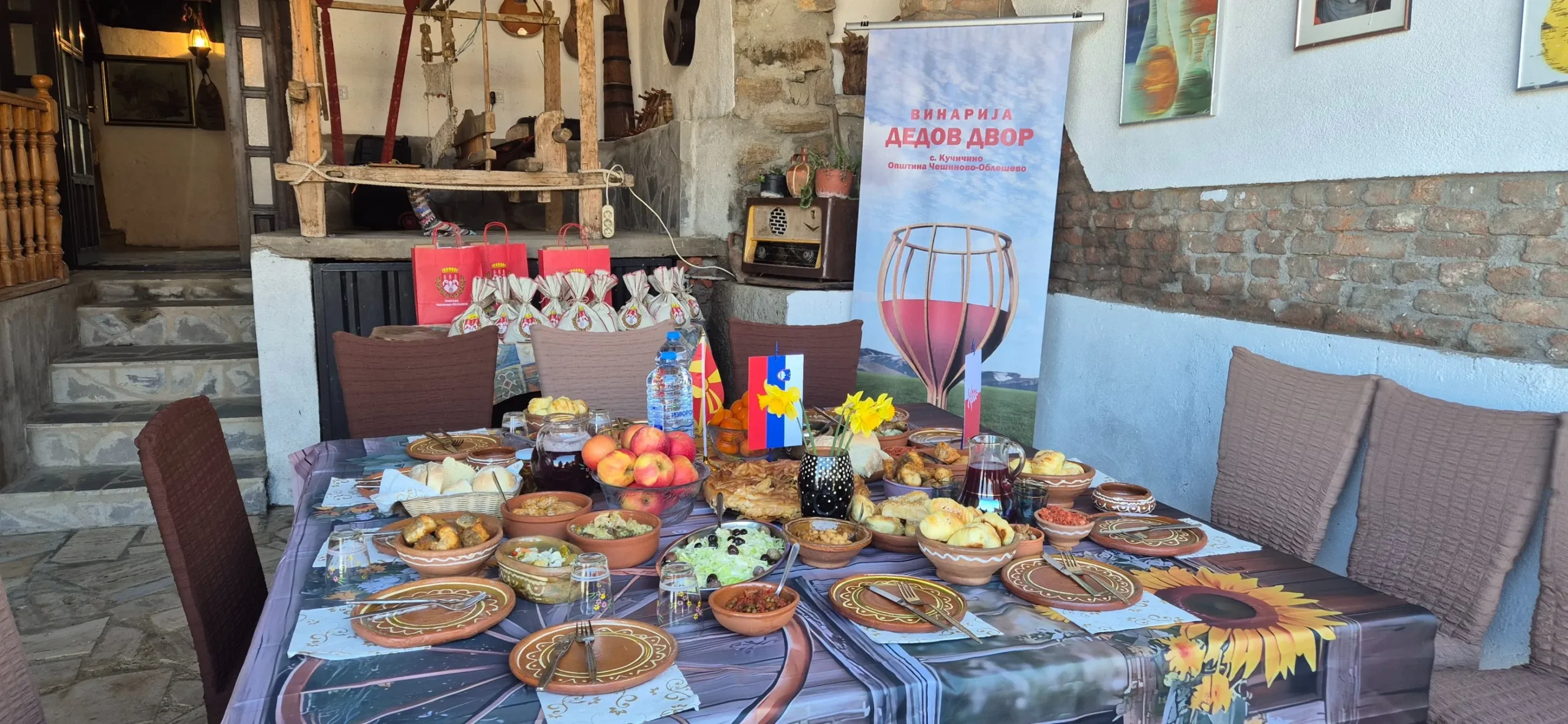
No less inspiring was the visit to the Kocani region, to the small family winery "Dedov Dvor" (Grandfather's Yard) in the village of Kucicino. In a beautiful and authentic setting, the hosts demonstrated warm Macedonian hospitality in action. Participants enjoyed traditional homemade specialties prepared with lots of love, quality wine that tells the story of this region, and pleasant socializing in the heart of the region. This visit reminded everyone that the best ideas are born where tradition and togetherness are respected.
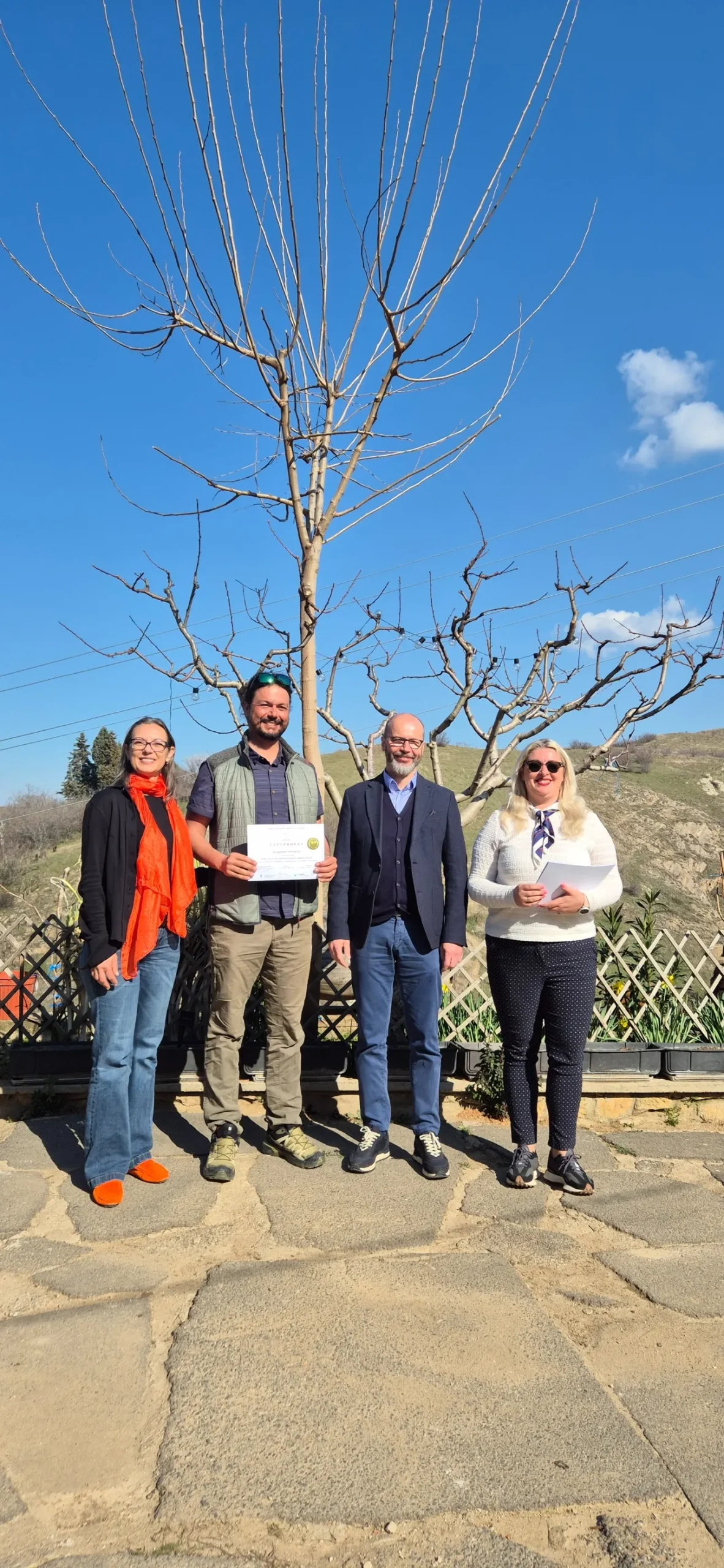
A special honor and recognition for all participants and the team of the Institute of Agriculture – Skopje was the presence of the Ambassador of Slovenia to our country, H.E. Gregor Presker, who concluded this process by personally presenting the certificates. His presence confirms the strong international support for this project initiative. Slovenia is globally recognized as a leader in the development of sustainable rural tourism, so their validation and shared knowledge carry immense weight for the development of Macedonian potential.